Beach Read Book Review: The Novel That Changed My Career
With -30 degree F wind chills this weekend in Chicago, I longed for warmth via my bookshelves and found myself reaching for Beach Read by Emily Henry. It’s a charming, well-written, funny and sometimes-dark romance novel set in Michigan in a fictional lake town.
As I flipped through in search of summer scenes, I remembered reading it the first time back in June 2022 and realized how large a role it played in inspiring my career change.
After re-reading as a writer, I wanted to share some thoughts on Henry’s craft, and reflect on how lucky I am to have found it exactly when I needed it.
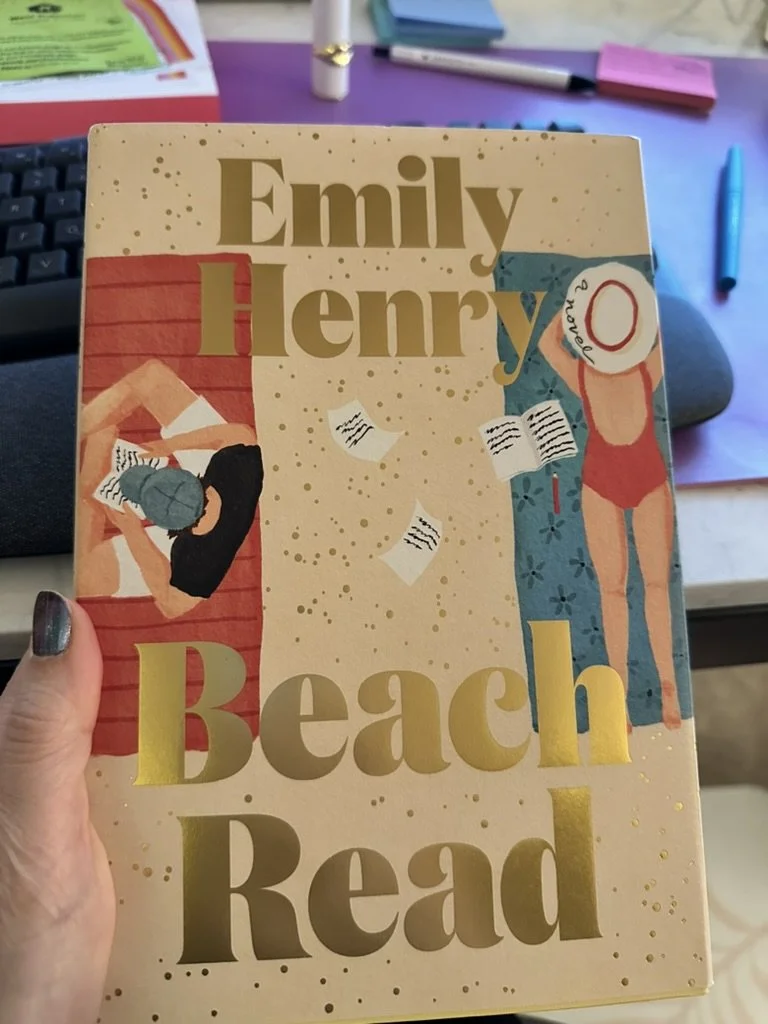
Special Edition Cover of Beach Read by Emily Henry
The Premise
Though most folks would categorize it as a romance, to me, Beach Read is fundamentally about an ambitious woman and her work.
January Andrews is a romance writer with writer's block. She's broke, grieving the death of her father and under deadline for her next novel. She goes to a Michigan cottage left to her by her father and discovers the next door neighbor is her sexy literary fiction author nemesis! They make a bet to switch genres and both are driven to make their deadlines, to prove they can write, and also, get it on.
I skipped the sex scenes as I didn’t really care if they’d get together; I was reading to see if January would make her deadline and win the bet!
Reading As A Writer
When I first read it as a lawyer, I knew there was something special about the novel (besides it being a mega-bestseller). And now, with three years of writing classes under my belt (and three of my own manuscripts), I have so much appreciation for Henry’s skill as a writer.
Here are a few craft points I admire:
Masterful Subplots
I am currently in the process of revising one of my draft novels with a specific focus on the subplots. Do I have too many? Not enough? Not quite sure. What I do know is weaving together disparate subplots requires much mastery.
Henry sets up several subplots from the jump and the suspense, momentum, and pacing are brilliantly done:
The unopened letter from her dead father—what does it say??
The looming deadline for her new book (the ticking clock)—will she make it??
The competition between Gus and January to switch genres, with their field trips organizing the narrative—who will win their bet?
WTF is going on with the cult Gus is researching??
Note: I obviously assumed the two main characters would get together so I really wasn’t reading to see what happened romantically but could still appreciate how Henry used that trope as the master plot which allowed her to tie in all sorts of funky tangents like cults.
There are several more subplots throughout the novel, and together, they create an amazing texture to the novel. I remain in awe of Henry’s ability to weave together so many threads; it taught me how important it is to make a reader want to keep turning the page.
“I’ve never met someone who is so perfectly my favorite person.” - Beach Read
Humor and Voice
A writer’s “voice” is an ineffable quality but I think it is mostly their vibe. Their energy. What they bring to the page as a human being making up these words and sentences and paragraphs, etc.
Henry's voice is amongst my favorites. She's just cool. And funny. And in real life, she adores her dog which makes me love her even more.
Not only is she funny and cool, but there's a reason she's sold billions of copies—she combines humor with deep topics (grief, loss) and lightness (the romance) and writes in a way that assumes her readers are smart and can handle multiple subplots in their heads. She's truly a tonic for these terrible end times.
Character Arcs That Feel Earned
I've learned a lot about how to set up character arcs and ensure the protagonist changes over the course of the book (we humans yearn to see others change to believe in our own capabilities to do so).
Here, January moves from depressed to hopeful. Gus moves from hot and gruff to hot and vulnerable. But because of the interwoven subplots, these aren't only trope-y character arcs designed solely to make the couple work romantically, but the arcs of people learning to work through grief, to work through creative blocks, to work toward something meaningful.
How It Changed My Life
I first picked up Beach Read in the summer of 2022. Burned out by two decades in BigLaw and dealing with some health issues that neither WebMD nor actual doctors could figure out, all I longed to do was retire and move to a beach!
I finished it on work trip to NYC, and by the time the plane started its descent, I was already imagining myself as an author: writing novels by a body of water, living a life of peaceful reflection and creativity, of solitude and zero Zoom meetings at 6 a.m. with people sniping at each other.
How appealing it sounded compared to my day job!
The book gave me hope, in other words. Hope that I could maybe, one day, go on sabbatical and write a book while sitting on a veranda overlooking Lake Michigan. According to Beach Read, I needed only crank out a mere 1000 words a day then visit bookshops and go on research trips with a hot but surly guy with a heart of gold, and all of it still counted as “work.” Easy!
However, at the time, I feared this career switch would negatively impact my primary hobby of shopping for luxury purses so I did hold out for another year before retiring. Bergdorf Goodman, I miss you so!!!
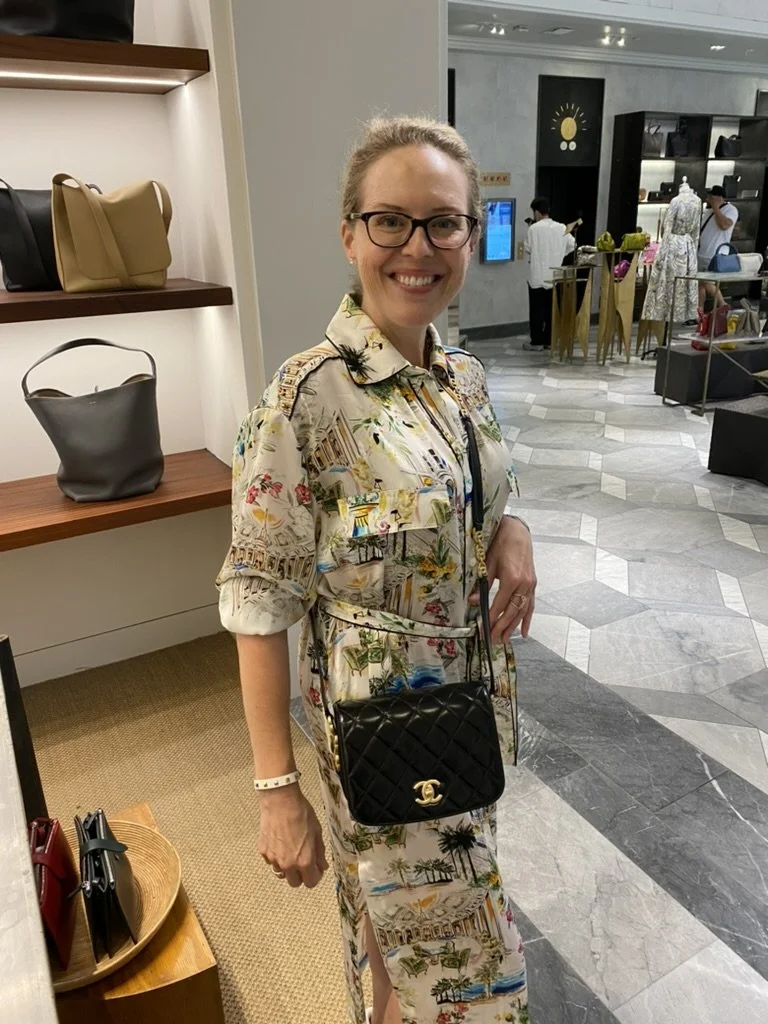


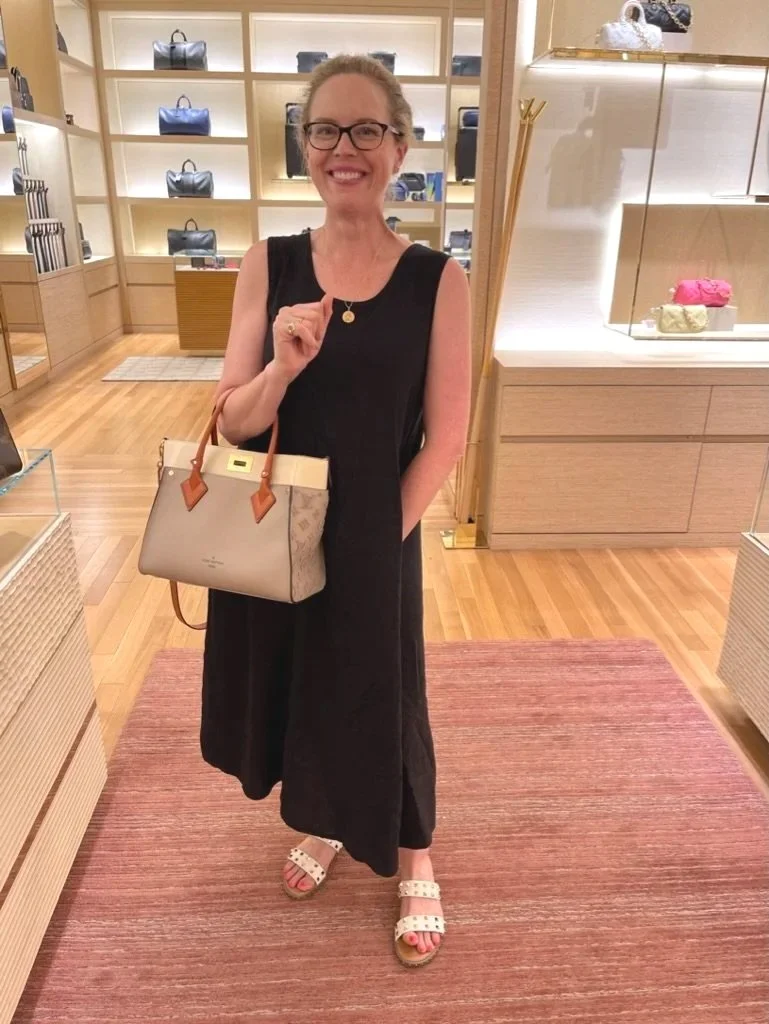
This book sparked my yearning to write novels and step away from BigLaw stress. And now I'm querying my first novel and working on my second and third, and I am so happy to say I have written on many verandas, often overlooking various lakes! And when it’s too cold, I write while watching webcams of Cape Town sunsets (my happiest place).
I have to say, writing books is a million times less stressful than being a partner.

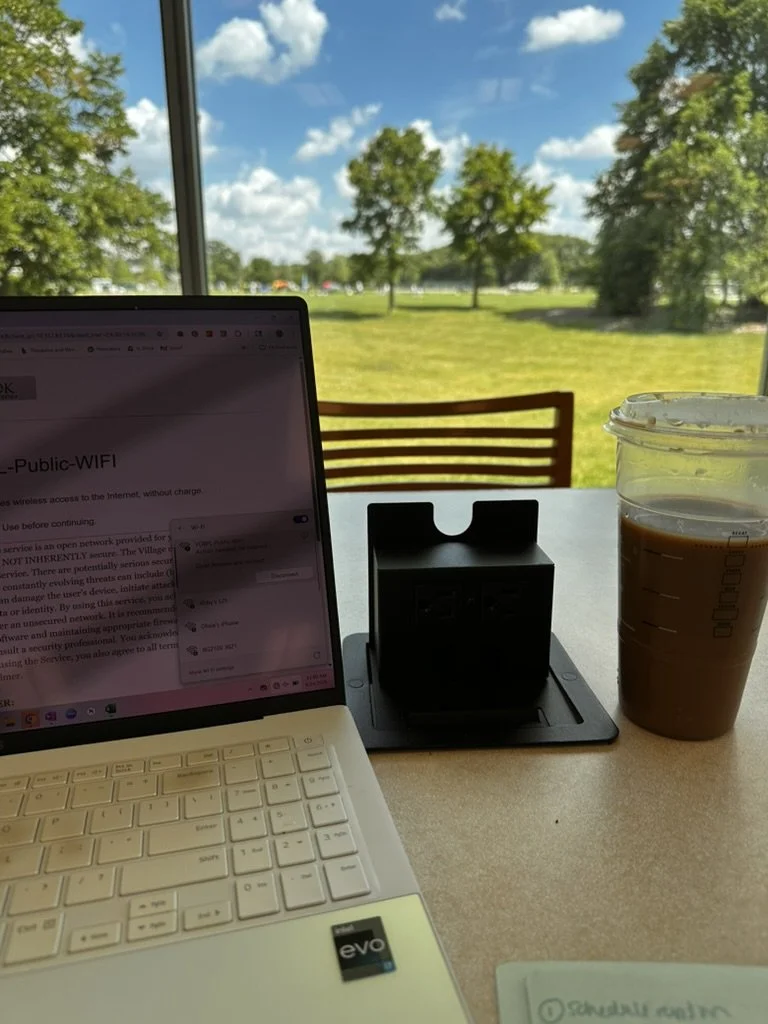
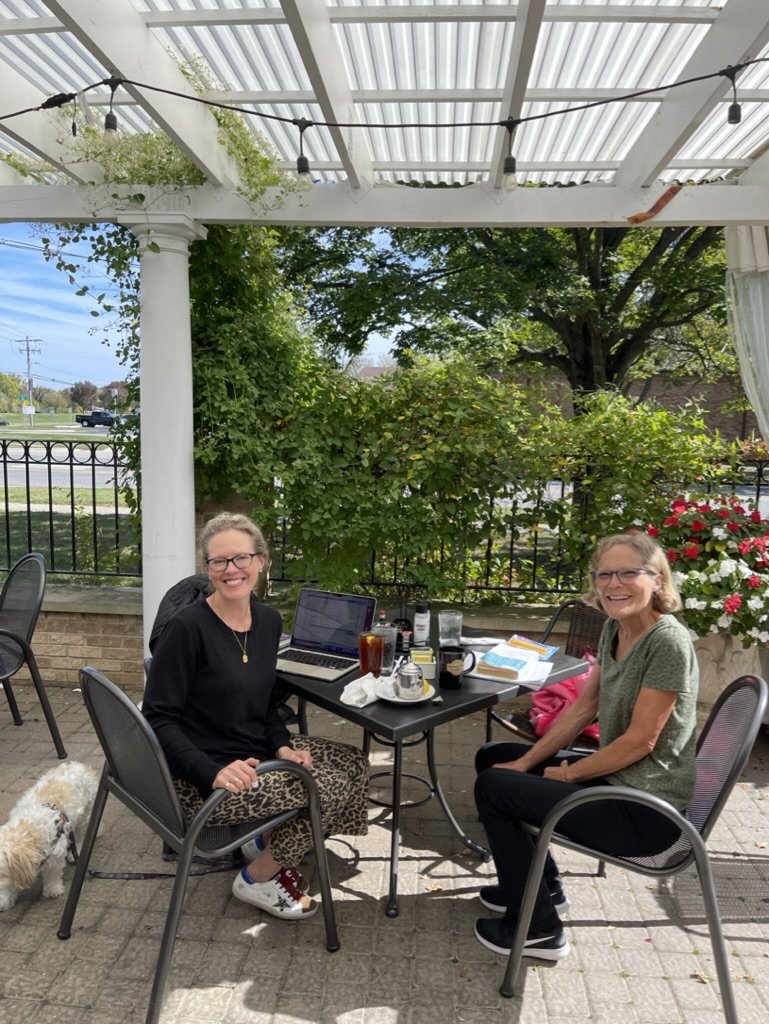
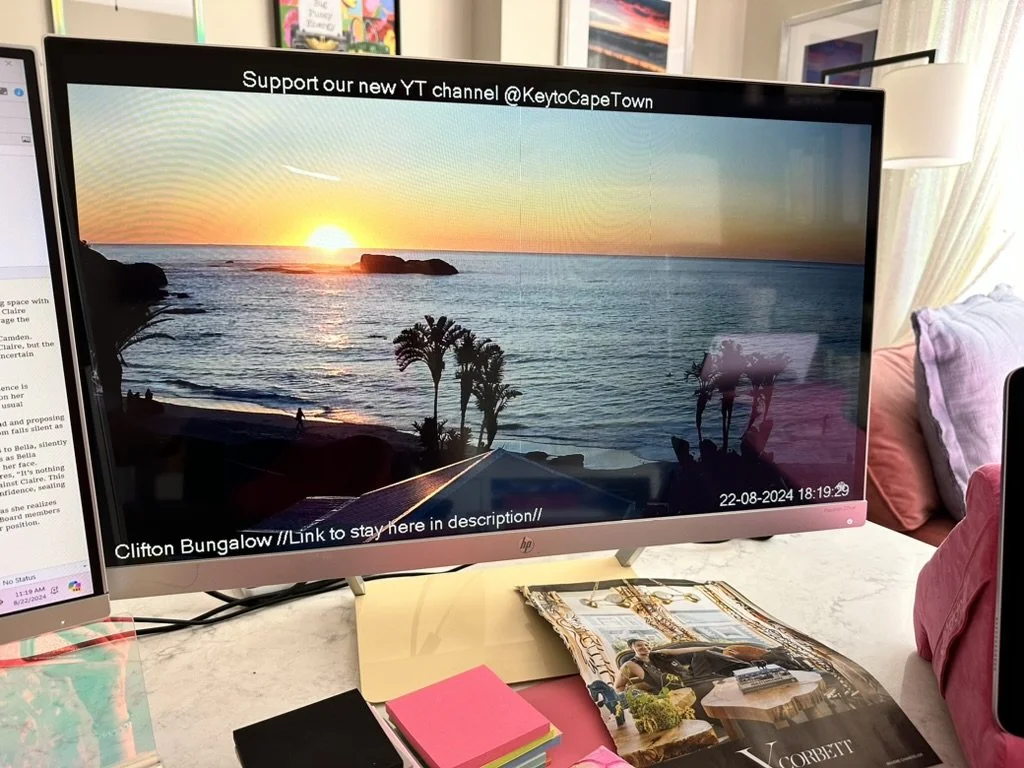
And this weekend, with the wind chill at -30 degrees, I found warmth exactly where I needed it—back in the pages of the book that changed everything!
To think a friend’s recommendation would result in a career sea change, but that’s what books do.
Books are magic.
For that, my ability to go cold turkey on purse shopping, and Emily Henry’s work, I'm grateful.